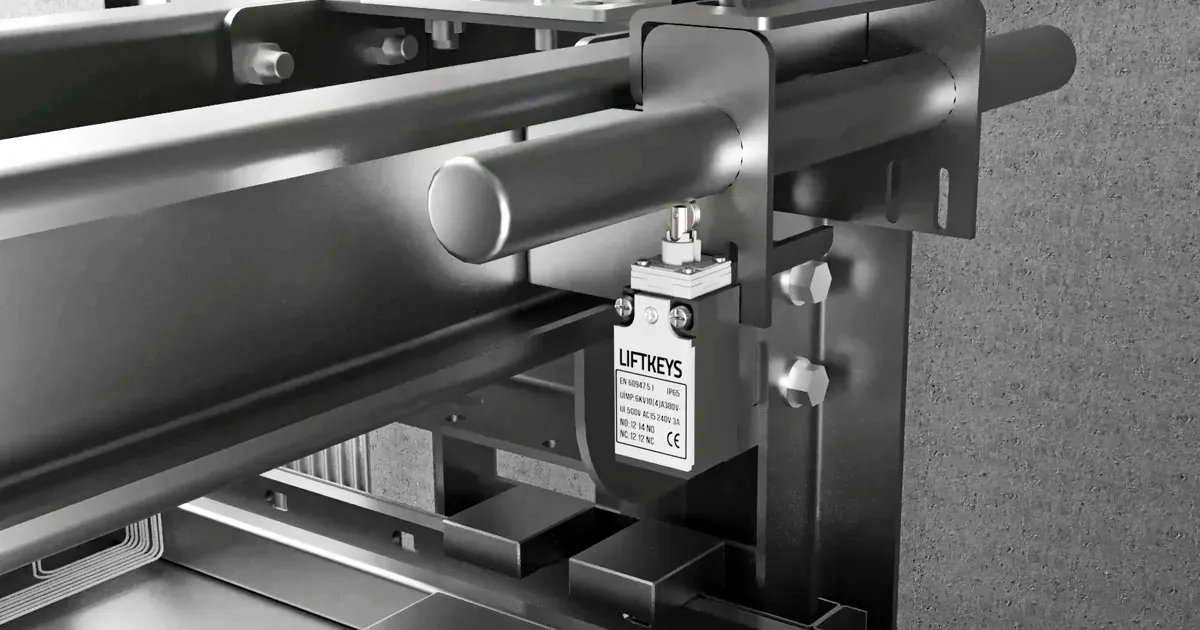
While elevators move vertically, the stability of the electrical systems that manage and monitor these parts is as vital as the power of the mechanical parts. An elevator has mini sensors that check whether the doors are fully closed, whether the cabin has stopped level with the floor, or whether it has exceeded the upper or lower limits of the shaft. In the industry, all of these mechanical and electrical control elements are called elevator switch systems or safety switches.
So, exactly what are elevator switch systems, which technical teams focus on the most during installation and maintenance processes, what do they do, and what is their exact role in the elevator's famous safety circuit (safety chain)? Let's examine the topic with its technical details.
What Are Elevator Switch Systems?
In their simplest definition, elevator switch systems are electrical switching elements that physically or magnetically detect the cabin's position, speed limits, the status of the doors, and the shaft safety mechanisms, and instantly transmit the data they collect to the main control panel.
Elevator switches are very different from ordinary electrical switches. These devices must have a high switching lifespan, dust and moisture-resistant body structures, and most importantly, "forced opening" mechanisms. A momentary sticking of a switch or its failure to send a signal can cause the entire elevator to experience a security vulnerability.
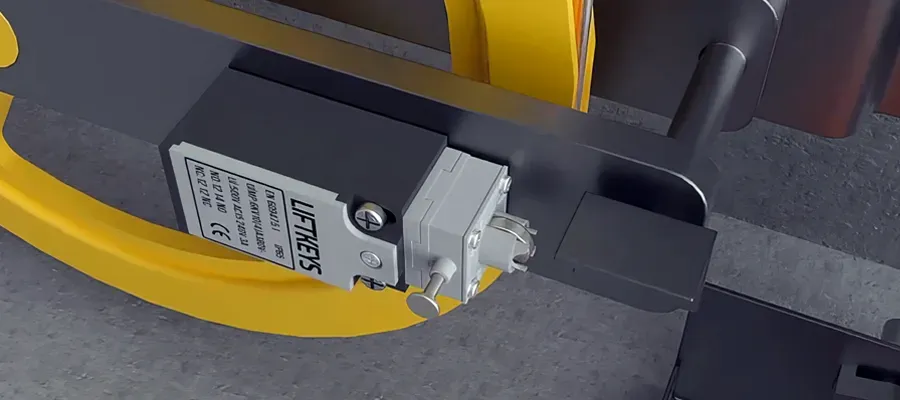
The Safety Circuit (Safety Chain) and the Role of Switches
One of the most sacred concepts in elevator engineering is the safety circuit. This circuit, known by codes such as 120, 130, 140 on the panel, is actually a massive safety chain consisting of dozens of switches and breakers connected in series.
The process is entirely based on a current loop:
- All the switches that make up the chain must be in the "CLOSED" (i.e., current-passing) position.
- For example, if the elevator is just about to move and the safety switch on the cabin door detects that the door is not fully closed, the chain is broken (the current is cut off).
- If even a single link in the safety chain is broken (the current is cut off), the main control panel instantly cuts the power to the elevator motor, applies the brakes, and puts the elevator into an absolute safe stop mode.
What Critical Tasks Do Switch Systems Undertake?
The switch and breaker systems inside the elevator perform the following vital functions for the flawless operation of the cabin:
- Limit Control: To prevent the cabin from crashing into the shaft ceiling or the bottom of the pit, limit switches placed at the highest and lowest points completely block the motor the moment the cabin passes the limit.
- Speed and Slack Rope Control: The switches at the speed governor and rope termination points help the parachute brakes to engage by cutting the safety circuit in the event of a mechanical problem or excessive speeding.
Zero Error Obligation in the Safety Chain: Liftkeys Switch Solutions
The quality of the switches to be used in elevator projects and periodic maintenance directly determines the downtime costs of the system and passenger safety. Poor quality switches that oxidize quickly or have a short mechanical life cause the safety circuit to be constantly interrupted, meaning the elevator suddenly breaks down.
As the B2B elevator components platform Liftkeys, we offer high industrial quality solutions so that your safety chain never breaks. To examine our modern product range that fully adapts to dusty and humid shaft conditions, has high current protection, and possesses international safety certificates, you can visit our Liftkeys Switch Systems page and browse our technical catalogs.
Frequently Asked Questions (FAQ)
- Why does the elevator safety circuit constantly cut out? The most common reason for the safety circuit to be interrupted is the oxidation of the door plug-socket switches over time, the limit switches at the bottom of the shaft getting stuck due to dust, or the misalignment of the switches due to cabin shaking. During maintenance, the contact points of these switches should be checked one by one.
- Are switch failures a reason for a red label during inspections? Yes, absolutely. Bypassing (bridging) or the malfunction of any switch in the safety circuit is considered the most severe defect (red label) in periodic inspections, and the elevator is immediately sealed.
