Why Are Photocells Needed in Elevators? The Key to Safety and Comfort
While elevators make our lives easier in vertical transportation, they incorporate a very serious safety engineering behind them. Most of us remember mechanical systems in older generation elevators where doors bumped into people while closing and reopened. However, in today's modern architecture and high-rise buildings, this situation is both a major safety risk and a serious lack of comfort.
So, why are photocells needed in elevators today? What are the fundamental advantages these systems provide to our buildings, elevator users, and maintenance companies? Let's examine the subject under 4 main headings.
1. Life-Saving Safety (Zero Contact Principle)
The first and most important reason for needing a photocell in elevators is undoubtedly human safety. The closing force of automatic doors can pose serious injury risks, especially for children, the elderly, or individuals with reduced mobility.
Photocell systems detect that there is an obstacle between doors before any physical contact occurs. This prevents harm not only to people, but also to pets accompanying us or objects like bags and strollers that could get caught in elevator doors.
2. Legal Obligations and International Standards
For an elevator to be commissioned and successfully pass periodic inspections (green tag), it must comply with specific international standards. European standard EN 81-20 and regulations governing accessibility for persons with disabilities EN 81-70 mandate advanced passenger protection systems on elevator doors.
In other words, using photocells in elevators today is not just a luxury or choice; it is a legal requirement. Elevators that do not comply with standards receive a red tag during inspections and are taken out of service.
3. Extending the Life of the Elevator Mechanism (Cost Savings)
Elevator doors constantly striking objects or people causes premature wear and tear on door motors, mechanical arms, and belt systems. A door system subjected to constant mechanical impact will malfunction in a short time and create high maintenance costs for building management.
Thanks to the photocell system, the door reopens without hitting anything, putting stress on the motor, or causing wear. This lowers the total operating cost of the elevator and significantly extends spare part lifespan.
4. Psychological Trust and User Comfort
People living or working in a modern building want to feel that the technology they use protects them. Walking toward a closing elevator door and having it detect you and open politely provides users with psychological confidence and high-level comfort.
The Right Technology for Maximum Safety: Horus
We know why photocells are needed in elevators, but which technology you use to meet this need is just as important. Older generation single photocells that protect only a single point of the door can invite accidents due to blind spots they miss.
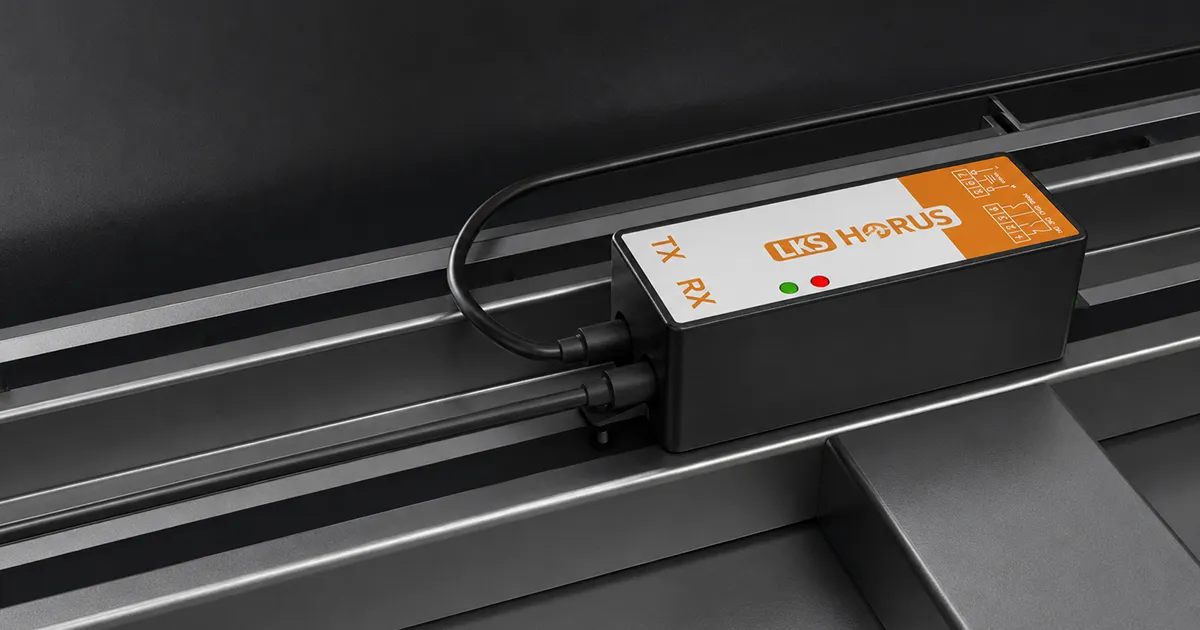
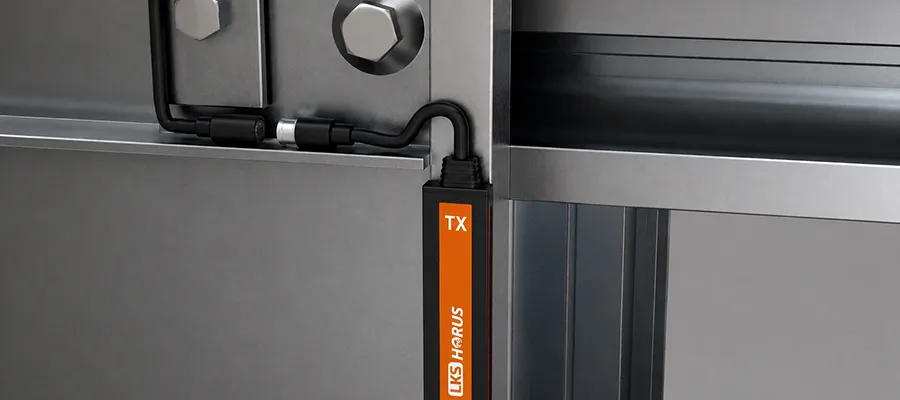
As Liftkeys, our Horus Light Curtain scans the entire door height, creating a virtual wall of light, and eliminates blind spots completely with its 174 invisible beam technology. With its structure fully compliant with EN 81-20 standards, it delivers absolute safety and comfort in your elevators without compromise.
Frequently Asked Questions (FAQ)
- Is the use of light curtains mandatory in elevators? In new buildings and old elevators undergoing modernization, the use of full-height photocells (light curtains) to maximize passenger safety per EN 81-20 and EN 81-70 standards is evaluated as a critical criterion during inspections and is mandatory.
- Can an elevator without a photocell system receive a blue or green tag? No. Door safety is one of the most severe defects in elevator inspections. Elevators without an effective anti-squeeze sensor or photocell system receive a red tag directly and are sealed until the deficiency is resolved.
- What problems does using low-quality photocells cause? Low-quality sensors can be affected by sunlight, dust, or power fluctuations, causing the elevator door to remain continuously open (taking the elevator out of service) or detecting obstacles late, leading to impact accidents.
