Is Elevator Overload System Mandatory? Regulations and Green Tag Criteria
There is a period that building managements and elevator maintenance companies wait for with excitement (!) every year: Annual periodic elevator inspections. In these inspections carried out by Type A inspection bodies, hundreds of technical criteria from the ceiling to the pit of the elevator are examined. Our goal is to avoid the red tag and grab that reassuring Green Tag.
In these inspections, one of the safety equipments that inspectors check first and do not compromise on is the weight measurement mechanisms. So, according to legal regulations, is the overload system mandatory in elevators? What tag does the elevator receive if this system is missing or faulty? Let's analyze the subject in light of official regulations.
What Do Legal Regulations Say? (EN 81-20 Standards)
Let's answer clearly without beating around the bush: Yes, the overload system in elevators is completely legally mandatory.
The international elevator standard EN 81-20 (and revision standards covering older buildings) strictly prohibits operating elevators under overload. According to the Elevator Periodic Control Regulation implemented by the Ministry of Industry and Technology, it is a legal safety requirement for the elevator to detect when cabin capacity is exceeded and to physically lock out.
Regulation Article: When the cabin load exceeds 10% of the rated load (maximum carrying capacity) or a maximum of 75 kg; the overload safety system must be activated. During this time, visual and audible signals inside the cabin must warn the user, automatic doors must not close, and the elevator must absolutely not start moving.
What Happens If the Overload System Is Missing or Not Working?
During periodic inspection, inspector engineers place test weights inside the cabin to simulate the overload system. If your elevator:
- Tries to close its doors despite being loaded 10% over its capacity,
- Does not give an audible or visual "Overload" warning,
- If the system is not present at all,
your elevator directly receives a Red Tag (Unsafe Elevator). Using an elevator with a red tag is legally dangerous and it will be sealed and taken out of service by the municipality until deficiencies are corrected.
Not Only for the Green Tag, Necessary for Safety
There are very justified safety reasons behind making the overload system mandatory. In an overloaded elevator:
- Braking System May Be Insufficient: In an emergency, the parachute brake system or motor brake may not be able to stop the cabin due to the effect of weight, and the cabin may slip down rapidly.
- Rope Slippage and Sheave Wear: Ropes may slip on the sheave, which leads to uncontrolled movement of the cabin.
- Motor Burnout: The motor can draw more current than it can handle, burning its windings and causing severe downtime and repair costs for the building.
Pass Inspections on the First Try: Liftkeys Atlas
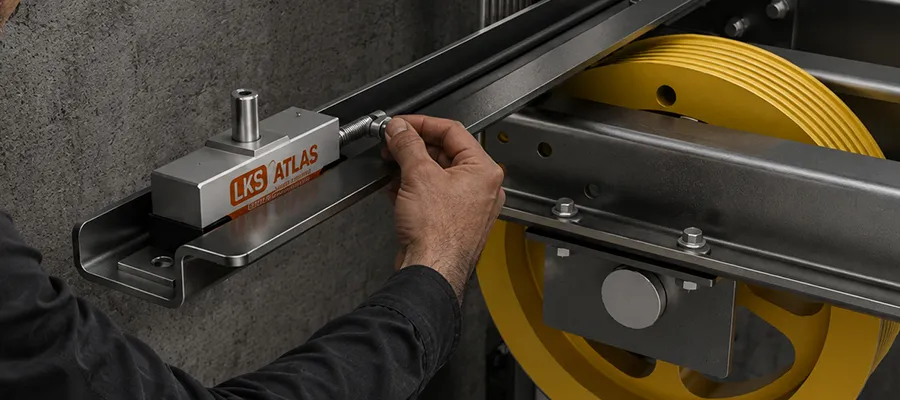
If you don't want to encounter surprises during elevator inspections and experience red tag stress, you should choose a stable system whose calibration does not deteriorate. The most common problem in the field is that old generation mechanical overload systems lose alignment over time and give an error on inspection day, causing the elevator to fail.
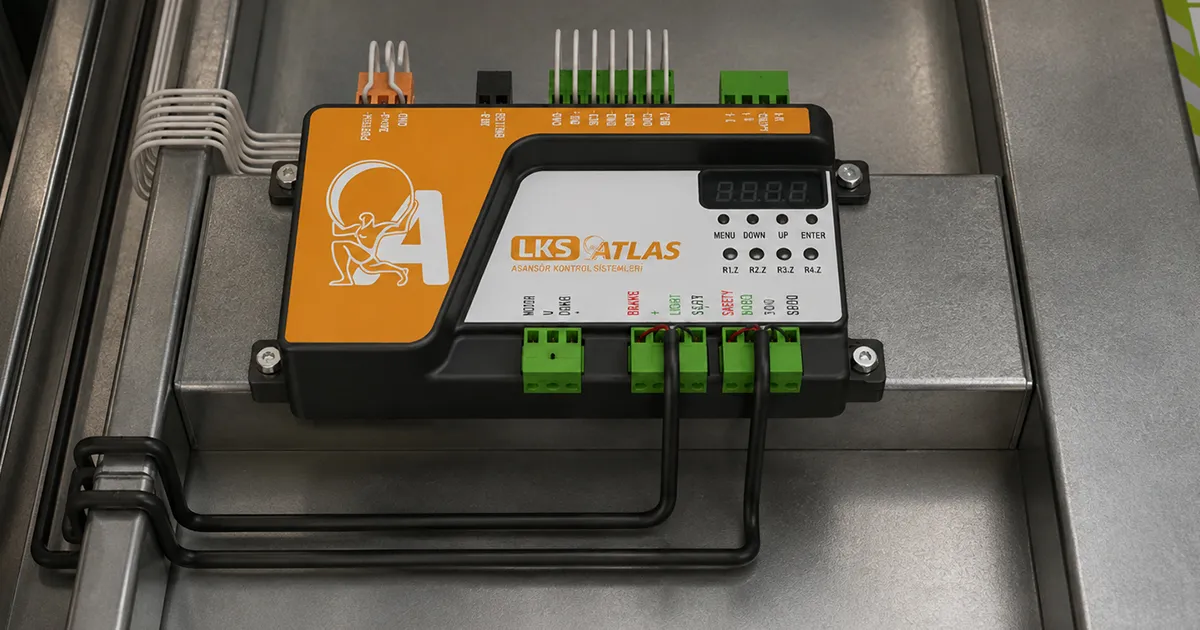
The Atlas Overload System we designed as Liftkeys is manufactured to be 100% compliant with EN 81-20 standards. Atlas's digital processor measures cabin weight with millimeter precision and sends an accurate signal to the panel as soon as the rated load is exceeded. Thanks to its smart calibration structure, it does not lose settings over the years and ensures that your elevators smoothly pass inspections with a green tag every year.
Frequently Asked Questions (FAQ)
- Is the overload system mandatory for elevators in old buildings as well? Yes. In periodic inspections of existing elevators, the overload system directly affecting passenger safety is checked regardless of the building's age. If this system is missing in the elevator, it is mandatory to add it through revision; otherwise, the elevator is shut down.
- What should be done when the elevator gives an overload warning? Passengers or loads that entered the cabin last must exit until the audible or visual warning inside the cabin turns off. As soon as the weight falls below the threshold values, the system will automatically return to normal mode and close the doors.
- Why are digital overload systems more advantageous in inspections compared to mechanical systems? Mechanical spring systems often make incorrect measurements due to temperature changes and springs stretching over time, causing them to fail inspections. Digital systems like Atlas process electrical data from load cells, so they are not affected by environmental conditions and always yield accurate results.
